Adding Space Without Visible Seams
Concrete Extension in Fort Worth for driveways and patios requiring additional surface area without full replacement
Growing families and changing property use often require more concrete surface without the expense of tearing out and replacing the entire slab. Extensions add usable driveway or patio space by pouring new concrete adjacent to the existing surface, but the challenge is making the new section match the old in color, finish texture, and control joint alignment so the result looks cohesive rather than patched together. H Generation Concrete uses a color and finish matching process that produces seamless visual integration between pours, which is especially important on larger residential lots in Crowley and Aledo where extensions are a popular and practical option.
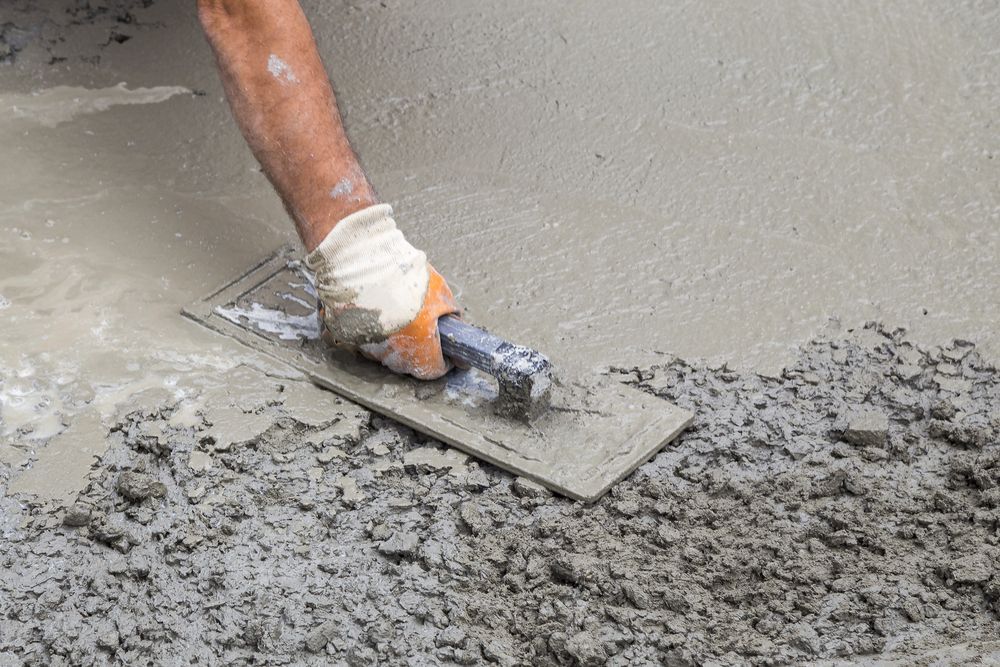
Matching involves selecting aggregate and cement that closely replicate the original mix, adjusting stain or integral color to account for weathering on the existing slab, and replicating the finish texture using the same tools and techniques. Control joints in the extension are aligned with the original layout so the pattern continues across both sections without awkward interruptions. The new pour is tied to the existing slab with dowels or bonding agents depending on the joint type and load requirements.
Arrange a property visit to review your existing slab and discuss extension size and finish options that integrate with the current surface.
How Extensions Integrate With Existing Slabs
The connection between old and new concrete determines whether the extension functions as a single continuous surface or develops a visible crack along the seam within the first year. Doweled joints allow the two pours to move together while maintaining alignment, which prevents the extension from settling independently and creating a trip hazard or drainage issue. The finish texture is replicated so both sections reflect light the same way and weather uniformly over time.
After the extension cures, you notice additional driveway or patio space that matches the existing surface in color and texture, with control joints that continue the original pattern rather than breaking it up. The seam between old and new is visible on close inspection but does not create a visual line that divides the slab into obviously separate sections. Extensions handle the same traffic and use as the original pour because they are built to the same thickness and reinforcement standards.
Extension projects require site grading to match the existing slab elevation, subbase preparation that continues the original foundation, and forming that aligns with the current slab edges. Some extensions involve removing a small section of the existing slab edge to create a clean tie-in, while others butt directly against the original pour with a control joint or expansion joint depending on the design and expected movement.
What Property Owners Want to Know About Extensions
Extensions offer a cost-effective way to add space, but homeowners often need clarity on how well the new section will match the old and how long the process takes.
How closely can an extension match the original concrete color?
Extensions can match existing concrete closely by adjusting aggregate and cement selection and applying stain or integral color to replicate weathering, though exact matches are difficult because older slabs have aged and the original mix design may not be documented.
Will the seam between old and new concrete crack over time?
Properly doweled or bonded joints allow the two pours to move together and reduce the likelihood of separation, but some movement is normal as both sections respond to temperature changes and subgrade shifts common in Fort Worth clay soil.
Can decorative concrete be extended with the same finish?
Yes, decorative finishes can be extended by replicating the stain color, stamp pattern, or texture used on the original surface—matching requires careful attention to finish technique and timing during the curing process.
How long does an extension take to cure before use?
Extensions typically require 24 to 48 hours before light foot traffic and seven days before vehicle loads, though cure time depends on weather conditions and slab thickness at the time of the pour.
Is an extension cheaper than full replacement?
Extensions cost less than full replacement when the existing slab is structurally sound and only additional space is needed—replacement becomes necessary when the original slab has failed or when the extension would be larger than the existing surface.
H Generation Concrete installs extensions on larger residential lots across Crowley, Aledo, and surrounding suburban communities, delivering results that add functional space without the visual disconnect of an obviously patched surface. Schedule a consultation to review your site and discuss extension options that fit your property layout and budget.