
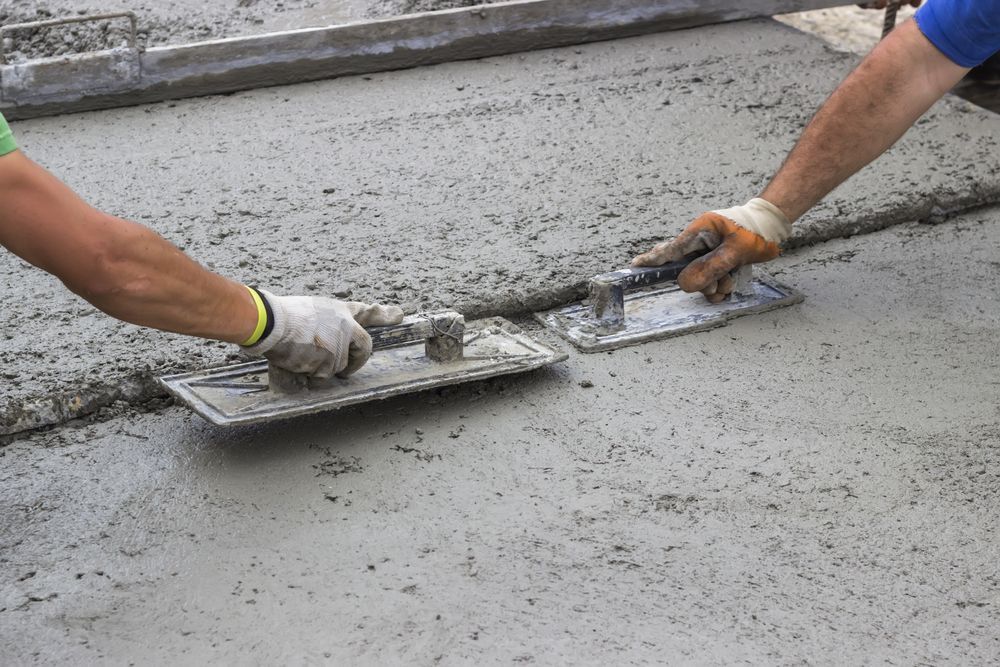
Pours Scheduled Around Texas Heat Cycles
Concrete Installation in Fort Worth for residential and commercial projects requiring temperature-aware scheduling
Texas summer heat causes plastic shrinkage cracking when concrete pours are scheduled without accounting for ambient temperature and time of day. H Generation Concrete plans installation timing and mix design around Fort Worth climate conditions to prevent surface cracking before the concrete even cures. You see this difference in commercial and residential slabs poured during early morning hours when evaporation rates are lower and surface moisture stays in the mix longer.
Site-specific mix design accounts for pour conditions, including temperature, humidity, and how long the concrete will be exposed before finishing work begins. A pour scheduled at midday in July requires different water-cement ratios and curing protocols than the same mix placed in October. The Mid-Cities stretch and North Fort Worth growth corridors see year-round construction activity, which means installation contractors must adjust methods for seasonal extremes rather than relying on a single standard approach.
Request a site evaluation to review your project timeline and discuss pour scheduling that accounts for current weather conditions.
What Proper Installation Requires Beyond Pouring Concrete
Subbase compaction determines whether a slab settles evenly or develops low spots and cracks within the first year. Texas clay soil expands and contracts with moisture changes, so the aggregate base layer beneath the concrete must be compacted in lifts to create a stable platform that does not shift as the soil moves. Skipping compaction or using insufficient base thickness transfers clay movement directly into the slab above.
Once installation is complete, you notice a flat surface with control joints cut at planned intervals to manage cracking in straight lines rather than random patterns. The finished slab does not develop surface crazing or shrinkage cracks in the first weeks after the pour because the mix design, pour timing, and curing plan were aligned with the temperature and humidity conditions on site. Commercial installations gain load-bearing surfaces that handle equipment and vehicle traffic without premature deterioration.
Installation includes site grading, subbase preparation, formwork, reinforcement placement, concrete placement, finishing, and curing. Each step must be completed in sequence, and shortcuts in any phase show up as problems once the slab is loaded or exposed to seasonal temperature swings.
Questions About Installation Before Work Begins
New construction and renovation projects across the Metroplex often involve questions about timing, site preparation, and what happens after the concrete is poured.
How long does concrete installation take from start to finish?
Installation timing depends on site size, weather conditions, and curing requirements—most residential driveways or patios require one to three days for prep and pour, followed by a curing period before the surface can handle traffic.
What happens if it rains during the curing period?
Fresh concrete needs protection from rain during the first 24 hours after placement because surface water can weaken the top layer and cause scaling—tarps or curing blankets keep rain off until the surface hardens enough to resist damage.
Why does subbase compaction matter for concrete slabs?
Compacted aggregate base prevents the slab from settling unevenly as Texas clay soil expands and contracts with moisture changes, which is critical in the Fort Worth area where soil movement is a year-round factor.
Can concrete be poured in cold weather?
Yes, but winter pours require blankets or heated enclosures to maintain proper curing temperatures—concrete that freezes before it cures loses strength and develops surface damage that cannot be repaired.
What is the difference between residential and commercial installation?
Commercial installations typically involve thicker slabs, heavier reinforcement, and higher-strength mix designs to handle equipment loads and vehicle traffic that residential slabs are not designed to support.
H Generation Concrete handles installation work across new residential developments and commercial projects throughout the DFW Metroplex, planning every pour around site conditions and Texas climate factors. Schedule a consultation to discuss your project scope and receive a detailed timeline based on current weather and site readiness.