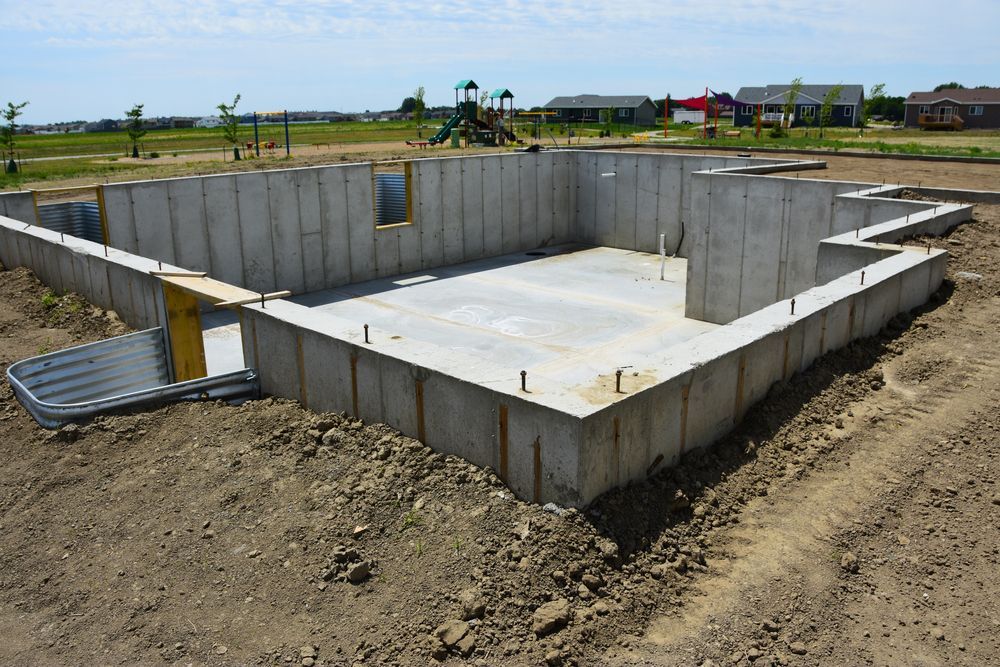
Foundations Built for Expansive Clay Soil
Concrete Foundations in Fort Worth for new construction and existing properties on North Texas expansive clay
North Texas expansive clay ranks among the most aggressive foundation-stressing soil types in the country, creating pressure that shifts, cracks, and destabilizes foundations poured without soil-specific preparation. H Generation Concrete handles new construction and existing foundation work for residential and commercial properties across Fort Worth and the Metroplex, with subgrade preparation and reinforcement layout decisions made before any pour based on the actual soil type on site. Caliche and black clay subgrade along the I-35W corridor and Mid-Cities stretch require moisture conditioning, rebar or post-tension layout, and compaction depth that standard specs don't address, because generic foundation approaches fail here when the soil cycles through wet and dry seasons.
Foundation work starts with soil evaluation to determine clay content, moisture levels, and expansion potential, which then dictates excavation depth, moisture conditioning methods, and whether rebar or post-tension cable systems provide the necessary reinforcement. Subgrade prep involves compacting the clay base, adjusting moisture content to reduce future swelling, and creating a stable platform that won't shift as seasonal rainfall and drought cycles alter the soil volume beneath the foundation.
Schedule a property evaluation to identify specific subgrade conditions and foundation requirements for your site.
Why Subgrade Preparation Decisions Matter for DFW Foundations
Subgrade preparation controls how the foundation responds to the expansion and contraction forces that define North Texas clay behavior. Moisture conditioning reduces the clay's tendency to swell when wet by pre-moistening the subgrade before the pour, so future rainfall doesn't cause the same degree of expansion beneath the finished foundation. Reinforcement layout—whether through rebar grids or post-tension cables—adds tensile strength that keeps the concrete from cracking as the soil shifts, with cable or rebar spacing adjusted based on soil test results and load requirements. Compaction depth ensures the base doesn't settle unevenly, which would create differential movement that cracks the foundation even if reinforcement is adequate.
After the foundation cures and the structure loads onto it, you'll notice a slab or grade beam system that remains level without developing cracks at door frames, corners, or along load-bearing walls. Floors don't slope toward one side of the building, doors close without sticking, and gaps don't open between the foundation and framing. The foundation handles seasonal moisture changes without heaving or settling because the subgrade prep accounted for how the clay beneath it would behave over time, not just at the moment of the pour.
H Generation Concrete applies site-specific subgrade approaches rather than using a standard spec across every project, because soil conditions vary significantly even within the same neighborhood. Foundation performance ten or twenty years out depends on decisions made during the prep phase, not on concrete strength alone.
What Property Owners Usually Ask
Foundation projects across the Metroplex involve questions about soil testing, reinforcement options, and how the work differs between new construction and existing homes. These answers clarify what drives foundation design and installation in North Texas conditions.
What makes North Texas clay soil so difficult for foundation work?
North Texas clay contains minerals that absorb water and expand significantly when wet, then shrink during dry periods. This expansion and contraction cycle exerts vertical and lateral pressure on foundations, causing movement that leads to cracking and structural issues if the foundation wasn't designed and prepared for that behavior.
How does moisture conditioning reduce future foundation movement?
Moisture conditioning involves adding controlled amounts of water to the clay subgrade before pouring the foundation, bringing the soil closer to its maximum expansion state. When future rainfall occurs, the clay has less room to expand because it's already been conditioned, reducing the upward pressure on the foundation and limiting movement.
What's the difference between rebar and post-tension reinforcement for foundations?
Rebar provides reinforcement through steel bars placed in a grid pattern within the concrete, adding tensile strength throughout the slab. Post-tension systems use steel cables threaded through the concrete that are tensioned after the pour, compressing the slab and making it more resistant to cracking from soil movement. Post-tension typically handles higher stress and larger spans better than standard rebar.
Why do foundations crack in some Fort Worth neighborhoods but not others?
Cracking patterns often correlate with soil type and subgrade prep quality. Areas with higher clay content or poor drainage experience more foundation movement, and foundations poured without adequate moisture conditioning or reinforcement fail faster. Neighborhoods with better drainage or where builders consistently follow soil-specific prep standards see fewer foundation problems.
How long does a new foundation need to cure before framing can begin?
Foundations reach sufficient strength for framing loads within seven to ten days under typical conditions, though full cure continues for weeks. Load timing depends on weather, mix design, and structural requirements, with larger or more heavily reinforced foundations sometimes requiring longer cure periods before construction proceeds.
H Generation Concrete serves new construction and existing homes across the Metroplex with foundation work that accounts for DFW soil at a level that generic crews don't. Request a detailed estimate based on your property's soil profile and structural needs.