Decorative Surfaces Built for Texas Durability
Stamped Concrete in Fort Worth for outdoor spaces requiring the look of stone or wood without materials that fail in triple-digit heat
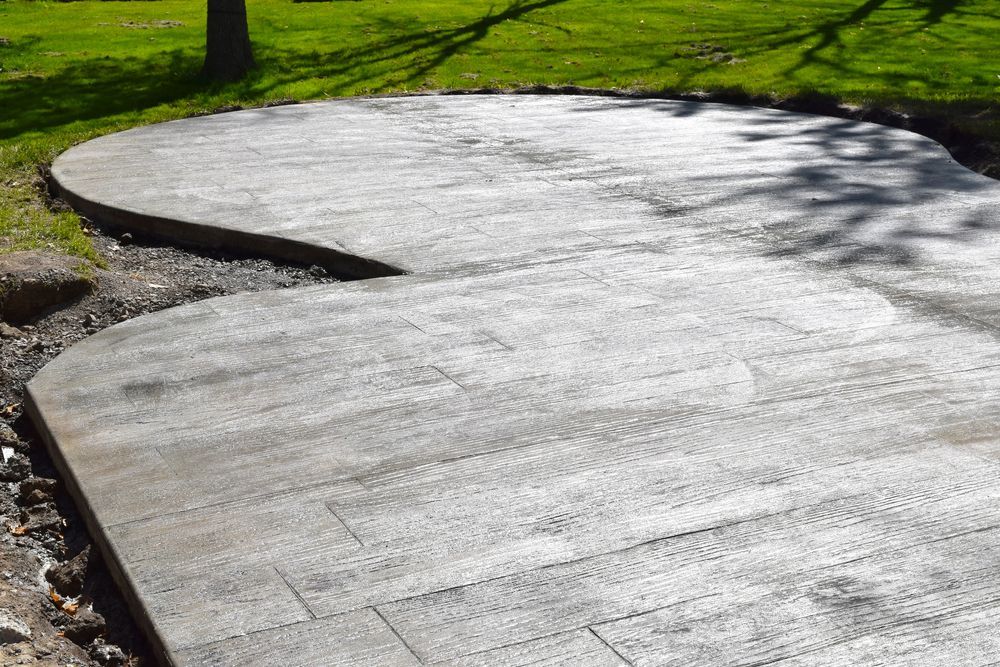
DFW homeowners want the aesthetic of stone or wood outdoors without materials that warp, splinter, or crack in triple-digit Texas heat, and stamped concrete delivers that look with the durability to match the climate. H Generation Concrete installs decorative stamped pattern and color concrete for patios, driveways, and outdoor spaces across Fort Worth and the Metroplex, with stamp pattern and color release selection tuned to hold definition and color vibrancy through Texas UV exposure without early fading. High-demand decorative markets in Southlake and Aledo expect outdoor surfaces that combine visual appeal with the functional performance that survives years of sun, heat, and seasonal weather swings, which means pattern and colorant selection can't ignore climate science.
The process pairs aesthetic design with material science, selecting stamp patterns that won't lose definition as the surface weathers and color releases that resist UV degradation over time. Pattern depth, texture detail, and color intensity all factor into how the finished surface looks five or ten years out, not just on installation day. Subbase prep remains critical because stamped concrete requires the same structural stability as standard flatwork, with decorative finishing applied after the pour reaches the correct stage in the curing window.
Arrange an on-site consultation to review pattern options and color selection for your outdoor project.
How Pattern and Colorant Selection Works for Texas Outdoor Conditions
Pattern selection involves more than choosing a design you like; it requires considering how deep the texture cuts into the surface, how much maintenance the pattern requires to stay clean, and how well the pattern holds up under foot traffic and weather exposure. Slate and stone patterns with deeper texture show definition longer than shallow wood-grain patterns, which can wear smooth in high-traffic areas. Color release, applied during stamping, bonds with the surface to create contrast and depth, but formulations vary in UV resistance—cheaper color releases fade within two or three years under Texas sun, while UV-stable formulations hold color intensity significantly longer.
Once the concrete cures and the sealer sets, you'll notice a surface that looks like natural stone or wood but stays cooler underfoot than darker materials and doesn't require the maintenance that real stone or wood demand. The pattern remains sharp rather than eroding into a blurred texture, and the color stays consistent across the surface instead of fading in high-sun zones or darkening where moisture collects. Sealed stamped concrete sheds water without staining, and the surface doesn't develop the cracking or spalling that shows up on decorative work poured without climate-appropriate material selection.
Resealing schedules depend on traffic levels and sun exposure, typically running every two to four years to maintain color vibrancy and surface protection. Pattern complexity affects maintenance—intricate designs with deep grout lines collect debris and require more frequent cleaning than simpler patterns with broad, smooth areas.
Answers to Frequent Service Questions
Decorative concrete projects raise questions about pattern durability, color longevity, and how stamped surfaces perform compared to natural materials in Texas heat. These answers address the factors that separate decorative work that lasts from installations that fade or fail prematurely.
What prevents stamped concrete from fading in Texas sun?
UV-stable color releases and high-quality sealers with UV inhibitors prevent fading by blocking the ultraviolet radiation that breaks down pigments and surface coatings. Cheaper color releases and standard sealers degrade faster under intense sun exposure, leading to color loss within a few years, while UV-rated products maintain vibrancy significantly longer.
How long does stamped concrete take to install compared to standard flatwork?
Stamped concrete adds time to the finishing process because patterns must be applied while the concrete is at the correct consistency—too wet and the stamps sink too deep, too dry and they won't imprint cleanly. A typical patio might take an additional half-day to a full day compared to a standard pour, depending on pattern complexity and project size.
Why do some stamped concrete surfaces lose pattern definition over time?
Pattern loss occurs when the surface wasn't thick enough to hold deep texture, when stamps were applied at the wrong stage of curing, or when sealer wasn't maintained and surface wear eroded the texture. Properly stamped concrete with adequate depth and regular resealing holds pattern definition for decades.
What's the cost difference between stamped concrete and natural stone for outdoor spaces?
Stamped concrete typically runs significantly lower per square foot than natural stone, with cost varying based on pattern complexity and color options. Natural stone requires ongoing maintenance to prevent staining, shifting, and weed growth between stones, while stamped concrete maintenance consists primarily of periodic resealing.
Do stamped driveways hold up as well as standard concrete driveways in Fort Worth?
Stamped driveways perform as well as standard concrete structurally because the subbase prep and concrete mix remain the same—only the surface finish differs. Pattern texture can affect traction when wet, so stamp selection for driveways often favors designs with more texture rather than smooth, shallow patterns that become slippery.
H Generation Concrete serves Southlake, Aledo, and the broader Metroplex with decorative concrete installations that pair aesthetics with durability science for Texas outdoor conditions. Schedule a property evaluation to discuss pattern and color options specific to your project's sun exposure and intended use.